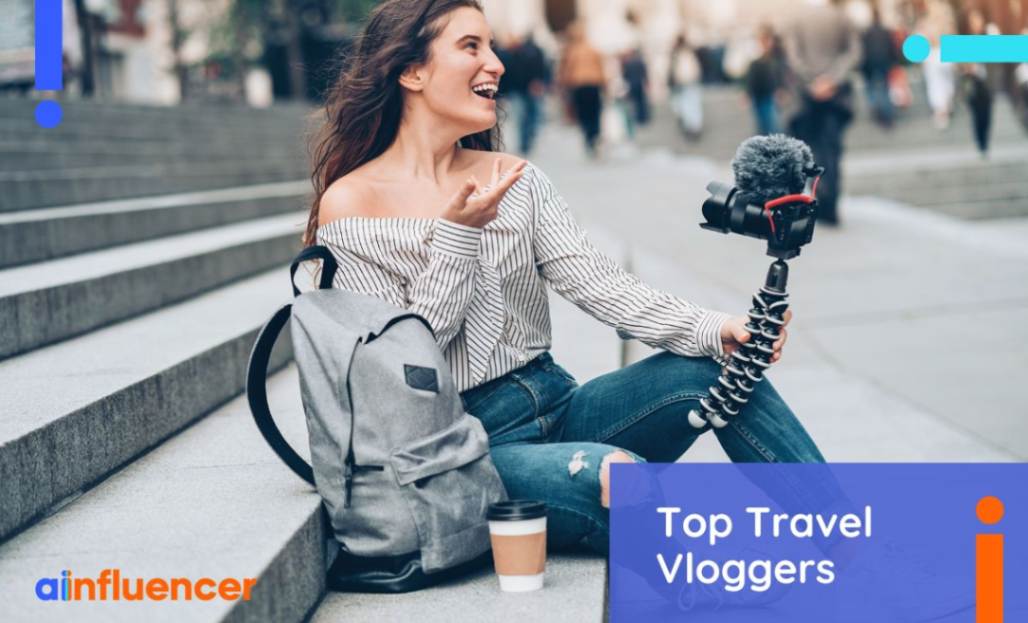
A travel influencer sells a frame. A travel vlogger sells twenty minutes. That difference decides everything about how these creators earn: no single photograph carries a story, so the vlog has to be structured like television, with a hook, a set piece, and a moment where something goes wrong. The 20 travel vloggers below have all built careers out of holding attention for a whole flight's worth of footage.
The list is YouTube-first, so the Instagram counts beside each name undersell almost everyone, and it spans family channels, food travel, motorcycles, sailing, vans, and one presenter who came the other way from television. For campaign mechanics across the category, our guide to travel influencer marketing is the companion piece.
Best Travel Vloggers to Follow in 2026
Ranked by Instagram following, these are the 20 top travel vloggers right now, each with a verified public profile and a distinct way of filming the road. The list runs from family channels and food travel to motorcycles, catamarans, camper vans, and expedition films shot by former professional athletes.
Garrett and Jessica Gee sold their possessions in 2015, took three small children around the world, and built one of the most-watched family channels on the internet, with a book, a series, and a Hawaii base between trips.
Their audience is families planning ambitious trips, which suits travel, family, and resort brands, and they head any list of family influencers.
Mark Wiens films street food from Bangkok and everywhere else, and the eyebrow raise on the first bite became so recognizable that a generation of food channels borrowed it. He has eaten his way through more than a hundred countries on camera.
His audience is global and food-obsessed, which suits food, travel, and tourism brands, and he tops most rankings of food influencers.
Jack Morris left a job in Manchester to travel and became one of the most-followed travel photographers on the platform, with a channel documenting the trips, the edits, and the business behind the images.
His audience is aspirational travelers and photographers, which suits luxury travel, camera, and apparel brands.
Sonny Side hosts Best Ever Food Review Show, a food-travel production that films in places most channels avoid, from remote villages to conflict-adjacent borders, with a crew and production values closer to television than vlogging.
His audience is adventurous food and travel viewers, which suits food, beverage, and tourism brands.
Drew Binsky spent a decade visiting every country on earth, finishing in 2021, and built a channel on the people he met rather than the landmarks, with short documentary vlogs from places that rarely get covered.
His audience is curious travelers worldwide, which suits travel, insurance, and language-learning brands.
Yes Theory built a channel on chasing discomfort, from cold plunges to spontaneous flights, and turned the philosophy into Seek Discomfort, a clothing brand, and a community that meets in cities around the world.
Their audience is young men and women drawn to adventure, which suits apparel, travel, and experience brands, and they are among the most-watched YouTube influencers in travel.
Kara and Nate set out to reach 100 countries and filmed almost every day getting there, which gave them one of the longest continuous travel vlog archives anywhere, plus a van and a tiny-home era in between.
Their audience is couples planning long trips, which suits travel, booking, and gear brands.
James Asquith became the youngest person to visit every sovereign country and turned the experience into a business, founding a travel booking platform while continuing to film and write about the places most itineraries skip.
His audience is frequent travelers and entrepreneurs, which suits airline, booking, and financial brands.
Tom has spent more than a decade on the road as Travel Tom Tom, with destination guides and adventure trips from countries that rarely make a travel channel's schedule, and gear advice earned by breaking the cheap versions first.
His audience is independent travelers and backpackers, which suits luggage, outdoor, and booking brands.
Charly Sinewan pioneered long-form motorcycle travel on YouTube, with more than 120 countries ridden and videos that spend as much time on mechanics and the people he meets as on the road itself.
His audience is riders and long-haul travelers, which suits motorcycle, gear, and insurance brands.
Christian LeBlanc built one of the largest travel channels on YouTube, then turned the audience into a business, teaching other creators and running ventures from Bali while still filming the trips.
His audience is young travelers and aspiring creators, which suits camera, drone, and luggage brands.
Kyle Finn Dempsey films road trips, vans, and cold places with a cinematographer's discipline, and the edits have pulled an audience that came for the landscapes and stayed for the craft.
His audience is photographers and road-trippers, which suits camera, outdoor, and automotive brands.
Eamon and Bec built one of the biggest van-life channels on YouTube, documenting conversions, breakdowns, and the long drives between, before moving into building and filming a cabin.
Their audience is van-lifers and DIY travelers, which suits automotive, outdoor, and home brands.
Sailing Zatara follows a family of six who sold up to sail the world on a catamaran, with the maintenance, the schooling, and the storms filmed alongside the anchorages.
Their audience is sailors and adventurous families, which suits marine, outdoor, and education brands.
Alex Outhwaite presents travel television in the United Kingdom and films her own destination videos with a presenter's structure, which gives her channel a polish most independent vloggers never reach.
Her audience is British travelers who plan carefully, which suits tourism board, rail, and booking brands.
Alex and Marko Ayling have made destination videos as Vagabrothers since the early days of travel YouTube, with city guides and cultural deep dives built around actually talking to people.
Their audience is millennial independent travelers, which suits tourism board, rail, and language brands.
Nadine Sykora has been making travel videos since 2010, one of the first to treat the format as a career, with destination guides and travel advice that predate almost everyone else in the category.
Her audience is long-time travel viewers, which suits tourism, luggage, and insurance brands.
Joey Schusler raced mountain bikes professionally before turning to filmmaking, and his expedition films take small teams into remote country and come back with work closer to documentary than vlog.
His audience is outdoor athletes and adventure travelers, which suits bike, outdoor, and camera brands.
Gabriel Morris has filmed budget travel for years, moving through countries with a single camera and no production, and the unpolished result is exactly what his audience comes for.
His audience is independent budget travelers, which suits hostel, backpack, and insurance brands.
Kristin Wilson helps people move abroad rather than holiday there, with videos on visas, relocation costs, and the practical mechanics of leaving, built on years of doing it herself.
Her audience is remote workers and would-be expats, which suits relocation, financial, and insurance brands.
Top Travel Vloggers at a Glance
Here is the full ranking of the top travel vloggers side by side, sorted by follower count, with each creator's handle, reach, and signature credit. Every profile was confirmed individually, and counts reflect September 2026 figures shown the way Instagram displays them.
| # | Creator | Followers | Known For | |
|---|---|---|---|---|
| 1 | The Bucket List Family | @thebucketlistfamily | 3.1M | The family that sold everything to travel and turned it into a media business |
| 2 | Mark Wiens | @migrationology | 2.6M | The food traveler whose first bite became a format other channels copied |
| 3 | Jack Morris | @jackmorris | 2.2M | Photographer whose long-running travel channel built one of the largest followings in the category |
| 4 | Sonny Side | @besteverfoodreviewshow | 1.4M | The host of Best Ever Food Review Show, filming food where few crews go |
| 5 | Drew Binsky | @drewbinsky | 1.4M | Vlogger who visited all 197 countries and kept filming |
| 6 | Yes Theory | @yestheory | 1.3M | The collective that turned saying yes into a channel and a clothing brand |
| 7 | Kara and Nate | @karaandnate | 1.2M | Couple who hit 100 countries on camera and kept the daily vlog going |
| 8 | James Asquith | @jamesasquith | 1.1M | Record-setting traveler turned founder of a travel booking company |
| 9 | Tom | @traveltomtom | 995K | Dutch traveler filing destination guides from places most channels skip |
| 10 | Charly Sinewan | @charlysinewan | 787K | Motorcycle traveler with more than 120 countries ridden and filmed |
| 11 | Christian LeBlanc | @lostleblanc | 715K | Travel vlogger turned entrepreneur, based between Canada and Bali |
| 12 | Kyle Finn Dempsey | @kylefinndempsey | 459K | Filmmaker whose road-trip and van films read more like short documentaries |
| 13 | Eamon and Bec | @eamonandbec | 381K | Canadian couple who built a van-life channel and then a cabin |
| 14 | Sailing Zatara | @sailingzatara | 130K | A family of six sailing the world and filming it |
| 15 | Alex Outhwaite | @alexouthwaite | 130K | Television travel presenter who brought the craft to YouTube |
| 16 | Vagabrothers | @vagabrothers | 123K | Brothers whose destination guides have run for more than a decade |
| 17 | Nadine Sykora | @heynadine | 89.9K | One of travel YouTube's original vloggers, filming since 2010 |
| 18 | Joey Schusler | @joeyschusler | 47.4K | Filmmaker and former pro mountain biker making expedition documentaries |
| 19 | Gabriel Morris | @gabrieltraveler | 20.1K | Long-running budget travel vlogger filming without a crew |
| 20 | Kristin Wilson | @travelingwithkristin | 18.1K | Vlogger focused on living abroad rather than visiting |
The Runtime: Where a Travel Vlog Actually Makes Money
The set piece is the part brands consistently undervalue. A product carried through the thing the viewer came to watch, the dive, the ride, the border crossing, gets remembered; the same product in a scripted read at minute two does not, however well it is written.
Revenue arrives in three layers: platform ad money that depends entirely on retention, the sponsorship, and the affiliate links that keep paying long after the campaign closes. Our guide on how much YouTube pays covers the first layer, which is the one that decides whether a creator can afford the trip at all.
Buying Twenty Minutes: How Vlog Deals Differ From Posts
A vlog sponsorship is a production deal, not a post. The creator is booking flights, carrying gear, and editing for weeks, so lead times run to months and cancellation terms matter more than in any other format. Pay for the trip as well as the placement, and expect the creator to refuse a script that would make the footage dishonest.
The upside is duration. A travel vlog keeps being watched for years, so a single integration earns impressions long after a feed post has scrolled away, which is why usage rights and evergreen placement are worth negotiating carefully. Our Ainfluencer review shows how a marketplace handles the rest, from filtering by niche and follower range to holding payment in escrow until the content is approved.
Conclusion
From The Bucket List Family at number one to Kristin Wilson at number 20, these are the top travel vloggers of 2026, ranked by live follower counts and confirmed one profile at a time. The list covers family channels, food travel, motorcycles and vans and catamarans, the country-counters, and the filmmakers whose expedition work barely counts as vlogging any more.
Vloggers are one half of travel content; the storefront creators are the other. If product sales are your goal, our roundup of travel brands looking for influencers shows who is already buying in this space. Book the set piece, pay for the trip, and let the edit do the selling.
Frequently Asked Questions
Who is the biggest travel vlogger?
By Instagram following on this list, The Bucket List Family leads with 3.1 million, followed by food traveler Mark Wiens (2.6M) and photographer Jack Morris (2.2M). On YouTube, where these careers are actually built, Yes Theory, Drew Binsky, Mark Wiens, and Kara and Nate all count their subscribers in the millions.
How were these travel vloggers selected and ranked?
We shortlisted creators whose primary work is long-form travel video, from family and food channels to motorcycle, sailing, and expedition filmmakers, left out photographers and bloggers who post occasionally to video, then ranked by live Instagram follower count in September 2026. Only real, public, embeddable profiles were included.
What is the difference between a travel vlogger and a travel influencer?
Format and economics. An influencer sells a frame, earns from posts, and can shoot a campaign in a day. A vlogger sells a story, earns from platform advertising, sponsorships, and affiliate links, and needs weeks to produce a single video, which makes their deals closer to production contracts than to social posts.
Where should a brand sit inside a travel vlog?
Inside the set piece if possible. A product carried through the moment the viewer came to watch outperforms a scripted read near the start, though most deals include both. The outro matters too, since affiliate links in the description keep earning for years after publication.
How much do travel vloggers charge?
More than comparable Instagram creators, because the fee covers production. Channels with audiences in the millions command five figures for an integration plus trip costs, mid-size vloggers between 100K and 700K typically land in the low thousands plus expenses, and smaller channels often work on a hosted-trip basis with a fee attached.
How can a brand work with travel vloggers on a smaller budget?
Host the trip rather than paying a large fee, and look at channels between 20K and 150K subscribers where a single well-placed integration reaches an audience that watches to the end. A free marketplace like Ainfluencer lets you filter creators by niche, location, follower range, and engagement, then hold payment in escrow until the content is approved.