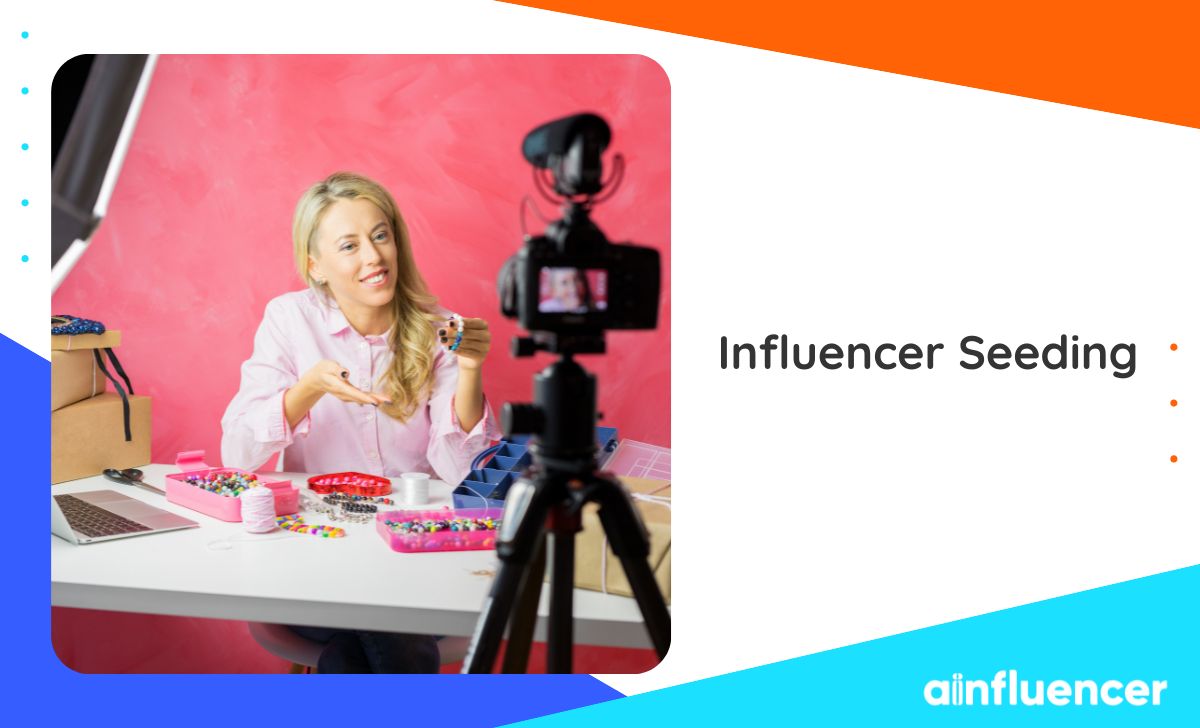
Influencer seeding—aka influencer product seeding—is when brands send free products to influencers without asking for anything in return. It’s becoming more and more popular in the world of influencer marketing, and for good reason.
This approach works really well because it feels real and builds trust. People are more likely to buy something when it’s recommended by someone they follow and believe in. In fact, 63% of consumers say they’re more likely to purchase a product if an influencer they trust recommends it.
Unlike paid partnerships, influencer seeding doesn’t involve money. The free product itself is the gift, and that’s usually enough to start a relationship with the influencer.
It’s no surprise that over 84% of brands say influencer marketing works for them. And here’s the exciting part: on average, brands earn up to $5.78 for every $1 they spend on influencer campaigns.
This blog is a complete guide about influencer seeding benefits, steps, and examples. Let’s break it down!
What Is Influencer Seeding?
Influencer seeding means sending free products to influencers without asking them to post anything in return. Unlike paid campaigns, you’re not asking for any specific content. You’re simply giving a gift and seeing what comes from it naturally.
Brands use this tactic to let creators try their products organically. If the influencer really likes the product and decides to share it with their followers on their own, that’s a win for both sides.

What’s the Difference Between Influencer Seeding and Influencer Gifting?
- Influencer gifting often feels like a one-time deal, where the brand expects the influencer to post something after receiving the product.
- In gifting campaigns, influencers might feel pressure to post, even if they’re not truly excited about the product. However, in influencer seeding, there’s no pressure or obligation to post.
- Influencer gifting is more transactional while seeding is more relationship-driven.
- The results of seeding are also more organic and authentic because influencers only share if they genuinely like the product.
Pros and Cons of Influencer Seeding
Influencer seeding is definitely a smart way to collaborate with influencers—but let’s be real, it’s not perfect. Like any strategy, it has its ups and downs. To help you decide if it’s right for you, here’s a quick look at the pros and cons. Let’s dive in:

Pros of Influencer Seeding
Here are some of the main advantages of the influencer seeding strategy:
1. Feels like Real Recommendations
When influencers post about your product without being paid to, it feels super authentic. In fact, 63% of people trust these kinds of posts way more than ads. That trust builds real love for your brand.
2. Way Cheaper Than Paid Ads
You’re not paying influencers—just sending free products. Even if they don’t post, you only lose the cost of the product and shipping. But if they do post? You get content and reach for almost nothing.
3. Tons of Free Content (UGC)
Every shout-out = content you can reuse. One PR box might turn into a YouTube unboxing, an Instagram reel, a few stories, or even a TikTok.
4. Builds Real Relationships
Sending a gift with no pressure creates good vibes. Influencers remember the nice gesture and may stick around as long-term fans. That can lead to paid partnerships, affiliate deals, or full-on brand ambassadorships later on.
5. Fast Buzz and Social Proof
Want people talking? Seed products to a bunch of creators in the same niche. When followers see everyone using your stuff, they pay attention. It’s a smart way to get early traction and credibility—especially for new launches.
6. Great for Starting Affiliate Programs
Finally, if an influencer posts and loves your product, it’s easy to invite them into your affiliate program. They’ve already shown interest, so giving them a chance to earn commission is a natural next step. In fact, it turns your one-time gift into ongoing sales.
Cons of Influencer Seeding
On the flip side, influencer seeding comes with a few downsides, like:
1. No Guaranteed Content or Coverage
Since there’s no contract, there’s no promise they’ll post! You might send 100 products and only a few influencers actually share anything. Some may not mention your brand at all—especially if they’re busy or just not impressed. It’s a gamble, not a guarantee!
2. Hard to Track ROI and Results
Because influencer seeding posts are unpaid and organic, many influencers won’t use trackable links or tags. Some may talk about your product in Stories without tagging you.
That makes it tough to know what’s working. Without solid tracking tools or unique codes, it’s hard to measure the exact impact—unlike paid ads with UTM links.
3. Not All Influencers Are Interested
Another disadvantage is that some influencers—especially macro-influencers—just don’t do unpaid posts. Many only accept paid collabs, so they’ll ignore free gifts or decline politely.
That said, this tactic tends to work better with micro or nano-influencers who still get excited about PR packages.
4. Risk of Mismatch or No Traction
The bad news is that the influencer might not like your product or find it relevant, so they skip posting—or worse, leave a so-so or negative review.
Even if they do post (and their audience isn’t a good fit), you might get little engagement. Sending your product to the wrong people can lead to wasted effort.
5. Lots of Management Work
Seeding at scale means a lot of work; finding influencers, getting their addresses, personalizing outreach, shipping, tracking, following up, and watching for content.
If you’re sending to 50 or 100 influencers, that’s like running 50–100 mini-campaigns. Without a good system or tool, it can be super time-consuming.
Now that you know what influencer seeding is and why you should (or shouldn’t) use it, let’s get into the practical steps on how to create effective influencer seeding campaigns:
How to Run a Successful Product Seeding Campaign (Step-by-Step Guide)
We’re about to walk you through the full process of running a product seeding campaign—from planning and sending to following up. Think of this as your go-to checklist to stay organized along the way:

Step 1: Define Your Goals and Identify Target Influencers
Every good campaign starts with clear goals. Let’s break this stage down into a few simple steps:
1. First, Decide What You Want from Influencer Seeding
Is it more brand awareness? Buzz for a new launch? UGC? Reviews? For example, your goal could be: “Send our new protein powder to 50 micro-influencers and get at least 30 posts or stories.” Having a clear goal helps shape your plan and track results.
2. Next, Pick the Right Influencers
Now, define who you’re after—like “fitness micro-influencers on Instagram with 5k–50k followers in the US” or “American mommy influencers who review products on YouTube.”
You can find them by searching hashtags, using discovery tools, or trying platforms like Ainfluencer that suggest matches for you. Even your own followers might be great picks!
Then, make a shortlist. Check their content quality and engagement, and make sure they align with your brand. Finally, confirm you can reach out—whether by DM, email, or inviting them through a platform.
How to Use Ainfluencer to Discover the Best-Fit Creators for Your Brand

Finding the right influencers doesn’t have to be time-consuming. With Ainfluencer, you can discover and connect with creators who match your niche, audience, and budget—all in one place.
Actually, Ainfluencer can support you through every step of your influencer seeding campaign, because:
- You can discover influencers easily using detailed filters like niche, location, follower count, engagement rate, and more.
- It lets you invite influencers directly through the platform – no need to chase down emails or DMs.
- You can chat and negotiate terms right inside the app, keeping everything organized in one place.
- Ainfluencer also helps you create and manage campaigns, so you can track who’s been contacted, who accepted, and what’s been sent.
- You can even track performance after the campaign – see who posted, what kind of reach/engagement you got, and measure results.
- And if you’re an e-commerce brand, it integrates with Shopify to simplify product seeding and shipping.
So if you’re planning an influencer seeding campaign and want a smoother, smarter way to do it all,
3. Decide How Many Influencers You’ll Seed
It’s time to determine how to use your product budget. Got 20 units? Focus on your top 20 picks. Have 100? Go broader. You can also tier your list—like 30 priority influencers and 20 backups just in case.
4. Pick Influencers Where Your Audience Actually Is
This is clear! You need to choose influencers on the platforms where your target customers hang out!
Currently, about 47% of marketers prefer Instagram for influencer campaigns and 66% prefer TikTok. So, if your audience is young, TikTok might be key; if it’s more 25-40, Instagram and YouTube could be a priority.
Step 2: Craft a Personal and No-Pressure Outreach Message
Now that you know who you want to reach, it’s time to reach out to the influencers. This step is crucial – your outreach approach can make or break the campaign engagement. Here’s how to reach out to influencers successfully:
- Personalize your message: Always use their name and mention something you like about their content. Makes it feel real, not spammy.
- Be clear about the offer: Don’t forget to say who you are and what you’re offering. Mention it’s a free product with no obligation – that builds trust.
- Share why they’ll love it: It’s smart to tie your product to their interests. Just one line is enough to make it feel relevant.
- Keep it short and friendly: Quick, casual messages work best. So, aim for something they can read in under 30 seconds.
- Make the next steps easy: Ask for their address if they’re interested. Keep the CTA simple and low-pressure.
- Be open to questions: Let them know they can reach out if they’re curious or need more info. Be ready to reply fast.
Step 3: Send Your Product
Now comes the fun part: sending out your product packages. This step involves both logistics and creativity:
1. Get Shipping Details
Beforehand, you need to collect accurate addresses from influencers. Double-check any special instructions. If you’re using Shopify, you can enter $0 orders to print shipping labels easily. Use tracking so you know when it’s delivered.
2. Prep Your Seeding Kit
What does a seeding kit include?
- Include the main product (and maybe a couple of extras),
- Add a personal note – handwritten or printed – to make it warm and human.
- Include any needed instructions or info about the product.
Optional: toss in a fun branded swag (only if it’s good quality).
A Quick Note: Make the packaging look great – influencers love sharing unboxings, so presentation matters. Keep it on-brand and protected.

3. Ship and Track
Everything is ready and now, you should send packages on time, especially if there’s a launch date.
Share tracking info with influencers if you can. When it’s delivered, make a note of it and maybe send a friendly “Your package arrived!” message to keep the momentum going.
Step 4: Monitor for Posts and Interact in Real-Time
Once the products are in the influencers’ hands, the listening game begins! You need to monitor their channels to see if/when they post about your product.
First off:
Keep an eye on their stories and posts after delivery. Many influencers share unboxings quickly, while others take time to try the product first.
If you’re working with a lot of influencers, try tools like Google Alerts and hashtag searches, or just bookmark their profiles and check in daily.
You see the post? Go on with:
- Engaging immediately: like the post from your brand account and leave a genuine comment,
- Sharing their content (with permission/credit). This means reposting IG Stories that tag you, sharing their feed post to your story, and sharing/retweeting their post if possible.
- Answering questions from their followers: If someone in the comments asks “Where can I get this?” and the influencer hasn’t answered, you (brand) can reply with a link or info.
Important: Do not publicly call out or pressure an influencer to post. For example, don’t comment on their other posts like “Did you try our product yet? 😊”.
This can be seen as pushy and will sour the relationship. Give them space – the whole philosophy of seeding is to let them decide to post if they want.
Step 5: Follow Up and Nurture the Relationship
After about 1–2 weeks of them getting the product, it’s a good time to follow up. Just keep it casual and adjust your message based on whether they’ve posted or not. Let’s see how this step goes on:
- For those who posted: Send a thank-you message and gently ask for feedback if they haven’t given any.
- For those who haven’t posted (yet): No need to worry! Just send a friendly check-in message. Don’t bring up that they haven’t posted—just assume they’ve been busy or haven’t tried it yet. Keep the tone warm and positive.
- For any who gave feedback or suggestions: If an influencer suggested an improvement or mentioned something, reply thoughtfully. This could even be on a later call or email.
Step 6: Repurpose Content and Track Results
The final step! As you wrap up the campaign, make sure to capitalize on all the content and insights generated. Let’s see what you need to do within this step:
- Download or save copies of the influencers’ posts, stories (if you catch them in time), videos, etc. Also, screenshot any great comments or feedback you want to remember.
- If there is a particular image or video you’d like to use in ads or on your website, reach out to the influencer and ask for permission.
- After some time, do a mini report: How many posts did we get? What was the reach/engagement? Did we hit our goal (e.g., 30 UGC pieces)? What’s the estimated ROI?
How to Measure the Success of Influencer Seeding Campaigns
Tracking your results is just as important as sending the products. You need to know if your efforts actually worked. Here are some simple ways to measure success using both numbers and feedback:

1. Post Rate (a.k.a. Earned Media Rate)
This is the percentage of influencers who actually posted after receiving your product. A typical organic post rate is 20–40% – higher if your product is exciting or personalized.
- Formula: The number of influencers who posted ÷ total influencers seeded × 100.
2. Engagement Rate
Look at likes, comments, shares, and saves on influencer posts. Good engagement rates vary by platform, but on Instagram:
- Micro-influencers (10k–50k): ~2–5%
- Nano-influencers (under 10k): 5%+

3. Reach & Impressions
Check how many people actually saw the content. You can ask influencers to share story views or reel stats.
4. Follower Growth & Brand Mentions
Another important metric to track is follower growth. Did your brand gain new followers or see a spike in mentions after seeding? Tools like Instagram Insights or Mention can help track this.

5. User-Generated Content (UGC)
Everybody knows the importance of UGC for brands! So, take some time and see: How much quality content did you get from the campaign? Even if influencers don’t post publicly, some may send content privately.
6. Website Traffic & Sales (If Tracked)
If you gave influencers a custom code or link, monitor how much traffic or revenue they drove. Even for unpaid collabs, this helps spot high-performing partners for future paid campaigns.
7. Sentiment & Feedback
This is a lesser-known still important metric. Pay attention to how the influencer and their followers talk about your product. Are the comments positive? Are people asking where to buy?
FAQs
Keep reading to see some FAQs about seeding program marketing:
1. Is Influencer Seeding Better Than Influencer Gifting?
Influencer seeding is often better than influencer gifting because it focuses on building real, long-term relationships—not just sending free products in exchange for posts.
With seeding, there’s no pressure to post, which makes any content shared feel more authentic and trusted by followers.
2. What Does Seeding Mean on Social Media?
Seeding on social media means sending free products to influencers with no strings attached. The goal is to get your product in their hands, hoping they’ll love it and share it with their audience naturally.
3. What Types of Products or Brands Benefit Most from Influencer Seeding?
Products that are new, unique, or have strong visual appeal do best with influencer seeding. Additionally, brands in beauty, fitness, food, and lifestyle often benefit the most because these products are easy to try and share.
Conclusion
In summary, influencer seeding is more than just sending freebies. It’s about building real connections with creators who can authentically share your brand.
We’ve covered what it is, why it works, and how to do it right. Now, you have everything you need to start your own seeding campaign!
Remember, success comes from thoughtful outreach, great kits, and nurturing relationships—not just quick giveaways. And tools like Ainfluencer make the whole process easier by helping you find the right influencers, manage campaigns, and track results—all in one place.
So, go ahead and give influencer seeding a try. It’s a smart, cost-effective way to grow your brand with authentic voices your audience will trust.