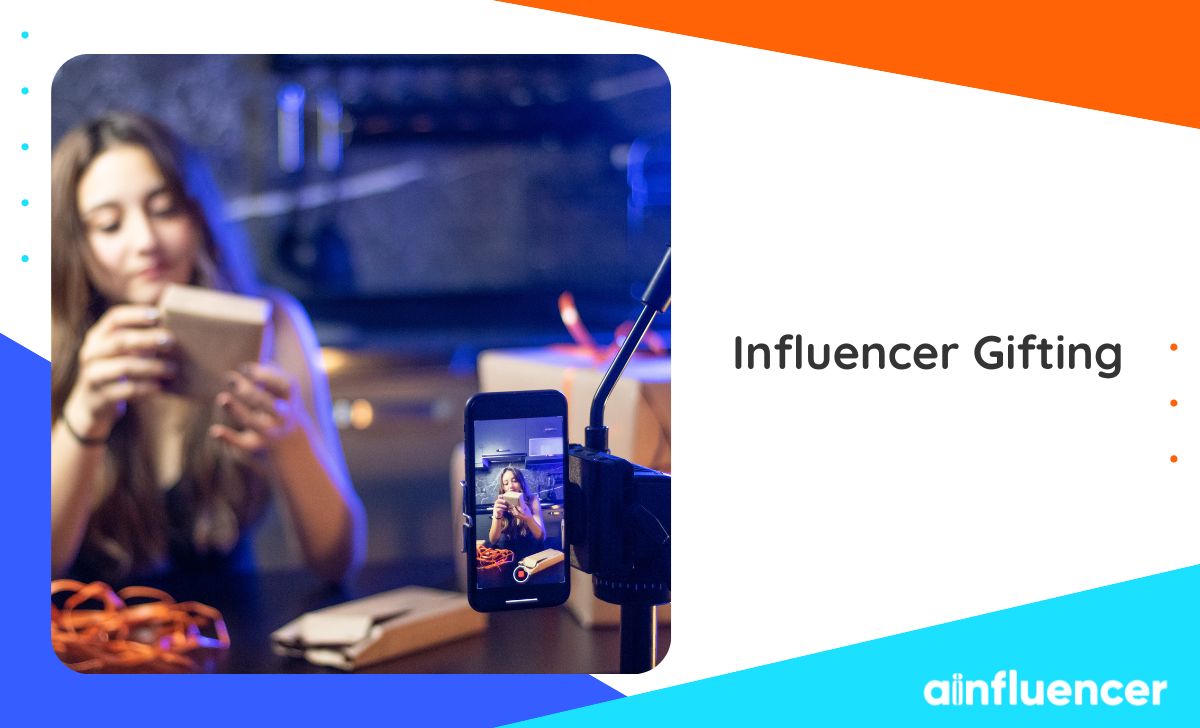
Influencer gifting is when brands send free products or experiences to influencers in hopes of more social media reach. It’s now an effective influencer marketing strategy.
According to the reports, 93% of influencers are willing to work with a brand for free products. Also, 92% of marketers say that gifting influencers increases their brand visibility and awareness.
And that’s why we’re here! In this complete guide, we’ll explain what influencer gifting is, why it’s so popular, and how you can add it to your influencer marketing campaigns.
We’ll also cover some of the best practices to create a successful influencer gifting strategy. Let’s get started!
What Is Influencer Gifting?
Influencer gifting is the process of sending free products or services to influencers to increase brand visibility.
In an influencer gifting program, a brand offers its product to a content creator without an upfront payment, hoping the influencer will like it enough to share it with their audience. This practice is also called product gifting or influencer product seeding.
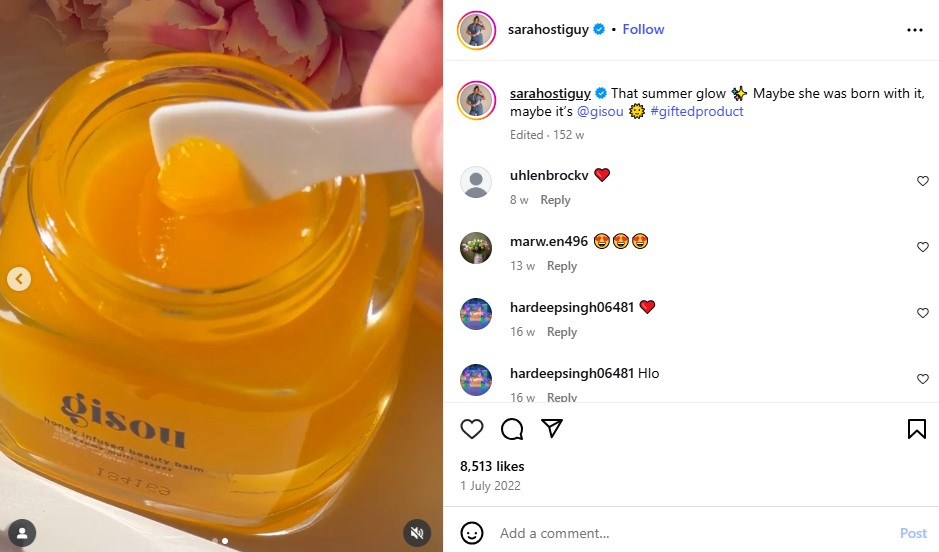
Common UGC formats from gifting include unboxing videos, “first impression” reviews, tutorials, or demonstrations using the product.
Influencer Gifting Vs. Paid Collaborations
| Feature | Influencer Gifting | Paid Collabs |
| Payment | No monetary payment | Involves payment (fixed fee or per post) |
| Contract | Usually no formal contract | Formal agreement with deliverables and deadlines |
| Content Obligation | No guarantee the influencer will post | Influencer is contractually required to create and post content |
| Control | Less control over content or timing | Full control over content type, posting date, and format |
| Authenticity | Often feels more genuine; content is voluntary | Can feel more promotional or scripted |
| Cost | Product cost + shipping only | Product cost + influencer fee |
Pros and Cons of Influencer Gifting
Before jumping into influencer gifting, it’s good to know the ups and downs. Like any marketing move, it has its benefits and its problems. Here’s a quick look at the pros and cons:
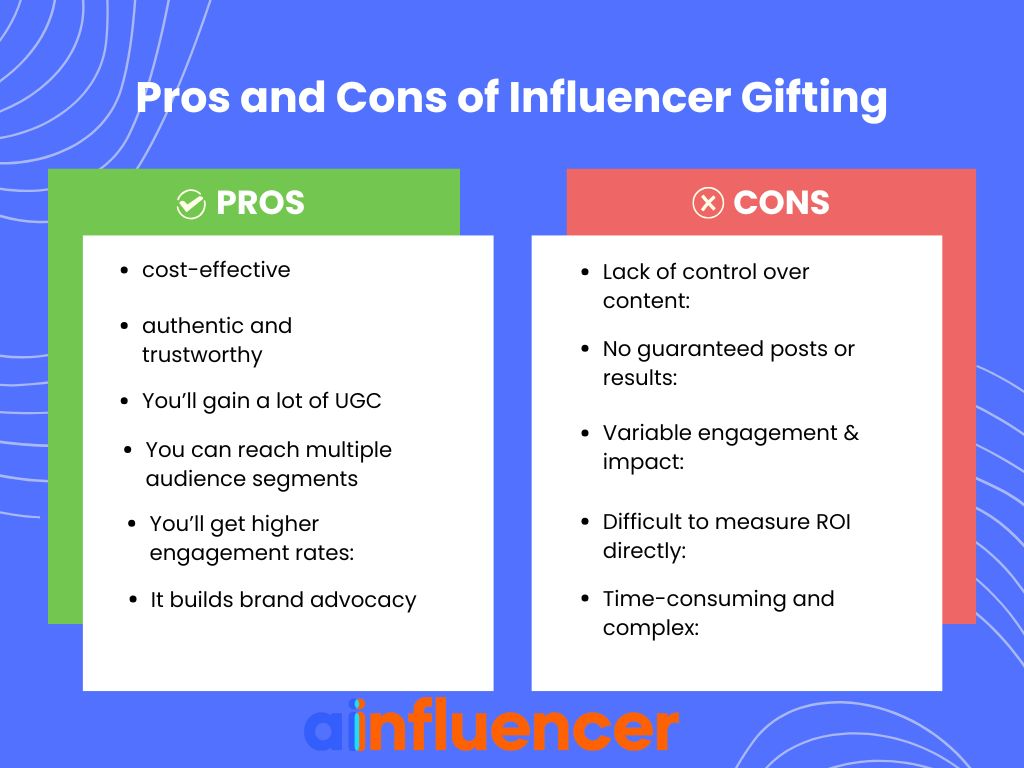
Pros of Influencer Gifting
First, let’s see why brands should consider influencer gifting:
- It’s cost-effective: This method is far cheaper than traditional paid influencer collaborations. You just pay in product (and shipping) rather than cash.
- It’s authentic and trustworthy: Because influencers aren’t obligated or scripted in gifting scenarios, any shout-outs they give feel genuine and unbiased.
- You’ll gain a lot of UGC: Many creators will post high-quality photos, videos, stories, or reviews featuring your product. You can later repurpose them in your marketing.
- You can reach multiple audience segments: By gifting different types of influencers, from nano (a few thousand followers) to macro-influencers, you can reach audiences that align with those creators.
- You’ll get higher engagement rates: Influencer gifting often shines when working with micro-influencers. They typically have smaller followings but much higher engagement rates.
- It builds brand advocacy: Sending gifts can be the first step in developing brand advocates. Over time, some influencers may start to feel a real affinity for your brand.
Cons of Influencer Gifting
Here are the reasons why brands may not like gifting influencers:
- Lack of control over content: When you’re not paying influencers, you don’t have the same creative control or contractual say.
- No guaranteed posts or results: There’s no guarantee an influencer will post anything after receiving your gift.
- Variable engagement & impact: Not every gifted post will perform well. Even if an influencer shares your product, the content might not resonate strongly with their audience.
- Difficult to measure ROI directly: Since there’s often no unique link or requirement for influencers to report data, you might not know how many sales or site visits a gifted post generated.
- Time-consuming and complex: Running a scaled influencer gifting program takes time and effort, from coordinating shipments to following up.
How to Run a Successful Product Gifting Campaign (Step-by-Step Guide)
If you still think influencer product gifting is worth trying (despite the downsides), this step-by-step guide is for you! Read on to learn how to plan and execute a successful influencer gifting campaign:
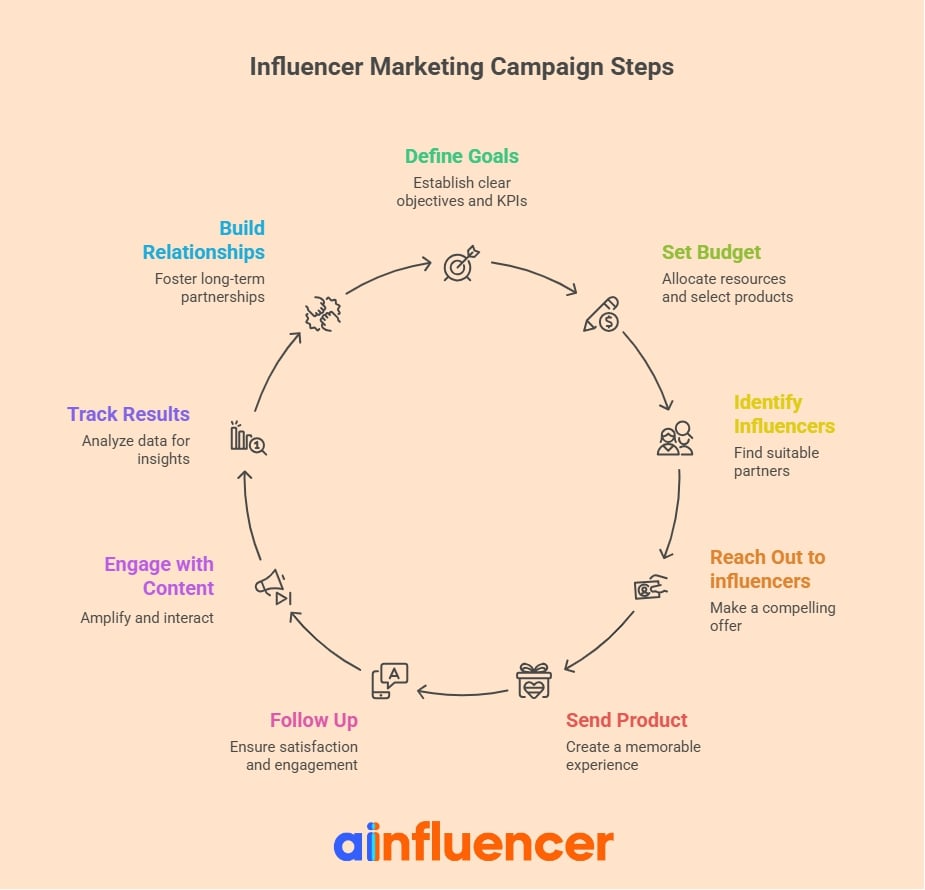
Step 1: Define Your Campaign Goals and KPIs
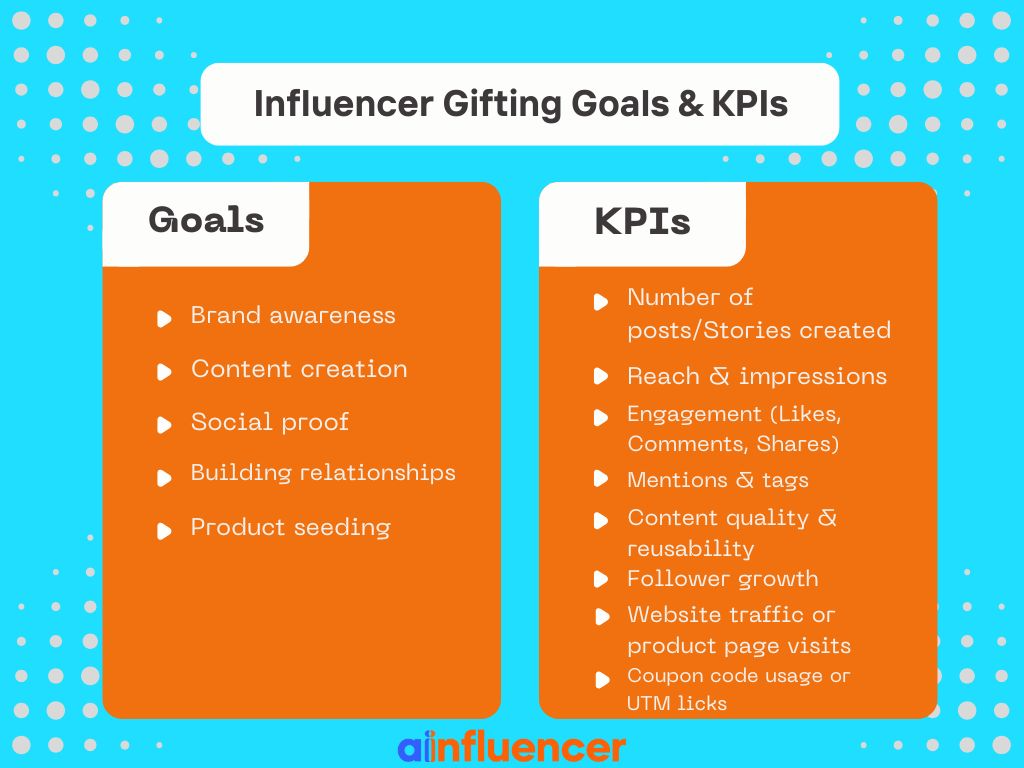
First off, you should decide what exactly you want to achieve with your gifting campaign. The main goals for a gifting campaign include:
- Brand awareness,
- Content creation,
- Social proof,
- Building relationships,
- Product seeding.
Once you set your key objectives, it’s time to identify the metrics you want to track in the end:
- Number of posts/Stories created,
- Reach & impressions,
- Engagement (Likes, Comments, Shares),
- Mentions & tags,
- Content quality & reusability,
- Follower growth,
- Website traffic or product page visits,
- Coupon code usage or UTM clicks (if used).
It’s very important to set clear goals. For example, your goal could be “Generate at least 10 Instagram posts and 5 YouTube reviews about our new product, reaching a combined audience of 500k” or “Drive 100 referral sales in Q1 through gifted influencers.
Step 2: Set a Budget and Choose Products to Gift
Even though you’re not paying influencers, you should determine a budget for the campaign in terms of product allocation and shipping costs.
Figure out how many products you can afford to give away (consider the cost of goods for each). Also, factor in packaging supplies and postage – those can add up, especially if shipping internationally.
Next, pick which product(s) to gift. Ideally, it’s something new, unique, or one of your hero products that you want to promote.
Ensure you have sufficient stock. If your product line is large, you might let influencers choose from a selection. This can increase their satisfaction and likelihood to post because they get something they specifically want.
For example, a beauty brand working with influencers might say, “Pick any 3 items from our new collection.”
Decide whether to include any extras, such as personalized merchandise, a note, or additional gifts for their audience.
Note: Make sure the products you’re sending are presentation-ready – full retail packaging, undamaged, and ideally with some Wow factor. Gifting is as much about the experience as the product.
Lastly, if your campaign has a time element (like promoting a seasonal item), schedule your inventory accordingly so gifts arrive in time for influencers to post within that season.
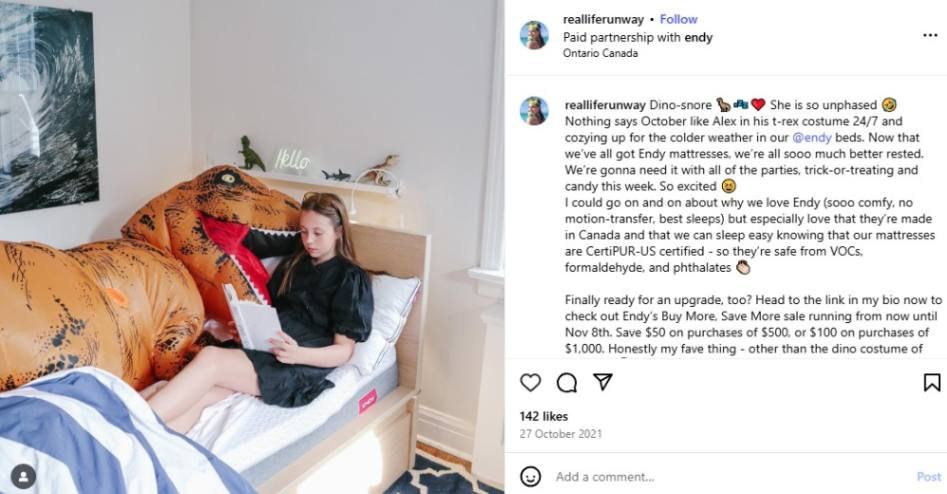
Step 3: Identify and Vet Influencers
This is a critical step. Choosing the right influencers can make or break your campaign! Start by researching influencers in your niche and compiling a list of candidates.
You can find influencers by various methods, from using influencer marketing platforms like Ainfluencer to checking out hashtags on social media. (Read our blog on how to find influencers to learn more about all methods).
Whatever method you choose, aim for a mix of micro-influencers who have high engagement and maybe a couple of mid-tier ones if possible.
Once you have a pool, you need to vet them thoroughly. Here’s how. Look at their:
- Content quality (are their photos/videos clear and professional-looking or at least appealingly authentic?),
- Their engagement (do they get genuine comments, and do they respond to their followers?),
- Their audience (you might use tools or their media kit to see demographics – ensure it matches your target).
Also check for any red flags, including fake followers or controversial content. Then, create a shortlist of those who meet your criteria.
At this point, some brands like to test the waters. You can engage with the influencers organically – follow them, like, or comment on a couple of their posts. This can warm them up to your brand name appearing in their inbox later.
Step 4: Reach Out with a Compelling Offer
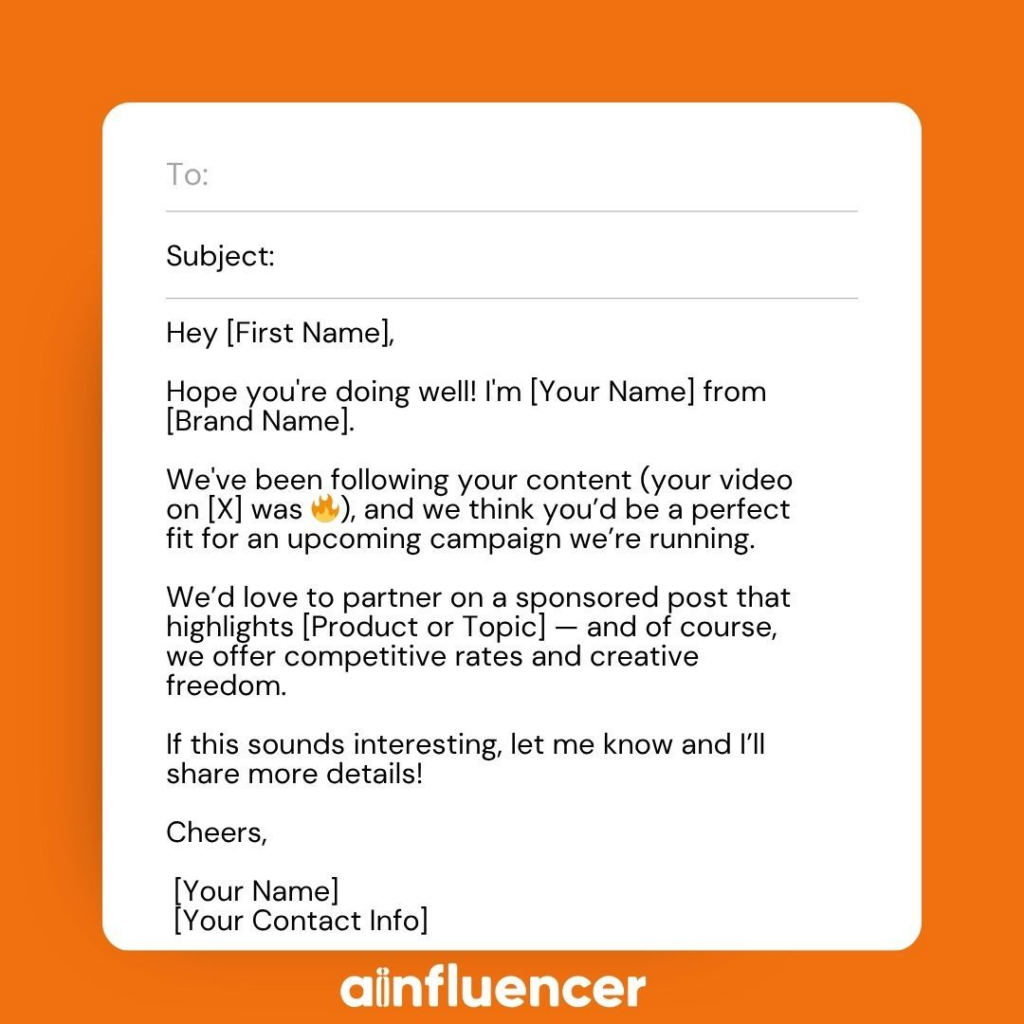
Now, it’s time to reach out to the influencers on your list. Decide whether email or DM is the best method. Many micro-influencers prefer DMs, while some list an email for business inquiries. To convert successfully, follow these tips:
- Craft a friendly, concise message that introduces your brand and explains the gifting opportunity.
- Personalize your message. Mention their name and perhaps something specific you admire about their content.
- Be prepared to answer questions about the product (size, options, etc.) and what they need to do on their end.
Note: If you want a more guaranteed post, you could phrase the offer as “We’d love to gift you [Product] in exchange for an Instagram post if you’re up for it”. This is slightly more transactional, but many micro-influencers will agree.
Once an influencer says “Yes, I’m interested,” move quickly to get their shipping details (full name, address, any preferences like sizing or color).
Also, ask if there’s anything in particular they’d love from your product line. You need to clarify any platform specifics. For example, if you notice they have both YouTube and Instagram, ask which platform they’d want to feature the product on.
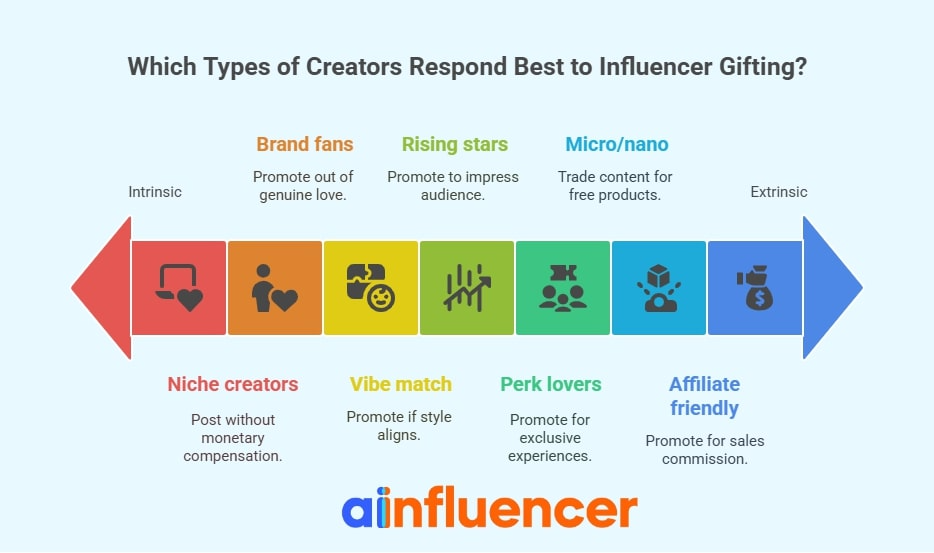
Which Types of Creators Respond Best to Influencer Gifting?
Unfortunately, not all influencers say yes to free products. Gifting works best when you pick the right kind of creators. Here’s who to focus on:
- Micro and nano influencers: Under 50k followers, they’re often happy to trade content for products.
- Niche creators: like fashion influencers or food influencers. They’re super passionate about your product category, so they’ll likely post even without cash.
- Fans of your brand: If they already love or use your product, a gift can turn into a genuine promotion.
- Creators who match your vibe: Their style, niche, and audience should align with your brand.
- Rising influencers: Those who are growing fast are usually open to freebies and eager to impress.
- People who love perks: Some respond better to events or exclusive experiences than a simple package.
- Affiliate-friendly influencers: They’ll promote gifts if they can earn a cut from sales.
Step 5: Send the Product (and Make It an Experience)
With addresses in hand and influencer preferences noted, package and send out the gifts. As discussed earlier, presentation matters.
Use attractive packaging: this could be your branded box or a neat wrapping with brand-colored tissue paper.
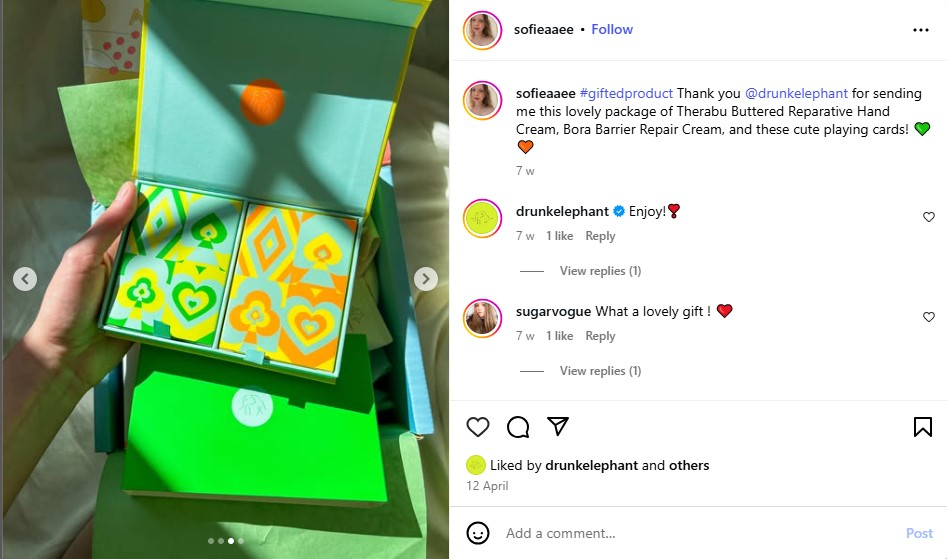
Or, maybe include a thoughtful note or card with each package. Better to be handwritten! The note should thank them, reiterate who you are, and mention any key info (like social tags or hashtags, or how to reach you with feedback).
You can also throw in a small info sheet about the product’s features or usage tips. But don’t make it a press release! Keep it fun and relatable.
Also, ensure you include any agreed extras like a promo code card or spare product for giveaways, etc.
Finally, ship the packages promptly! In this stage, you should use reliable shipping with tracking numbers. It’s wise to send the influencer the tracking info so they know to expect it.
Step 6: Follow Up After Delivery
After an influencer receives the product, you need to send a follow-up message. This could be after a few days of delivery. Keep your follow-up message casual and not pressuring.
Let’s take a look at an example: “Hey Jane, I saw the yoga mat was delivered – yay! I hope you enjoy it. Just checking in to make sure it arrived safely and see if you have any questions. Have a great day!”.
If an influencer goes silent after receiving the package, you can follow up a second time a week or two later. Try this one:
“Hi again! I hope you’ve had a chance to enjoy [Product]. I wanted to mention – if you do share any content, we’d be happy to feature you on our brand’s page (we have 50k followers, great exposure!). No pressure, just an FYI. And by the way, how are you liking the product so far?”.
During this stage, keep an eye out on social media for any untagged mentions as well. Some influencers might post without tagging or telling you, especially if it’s a story.
Step 7: Engage with Content and Amplify It
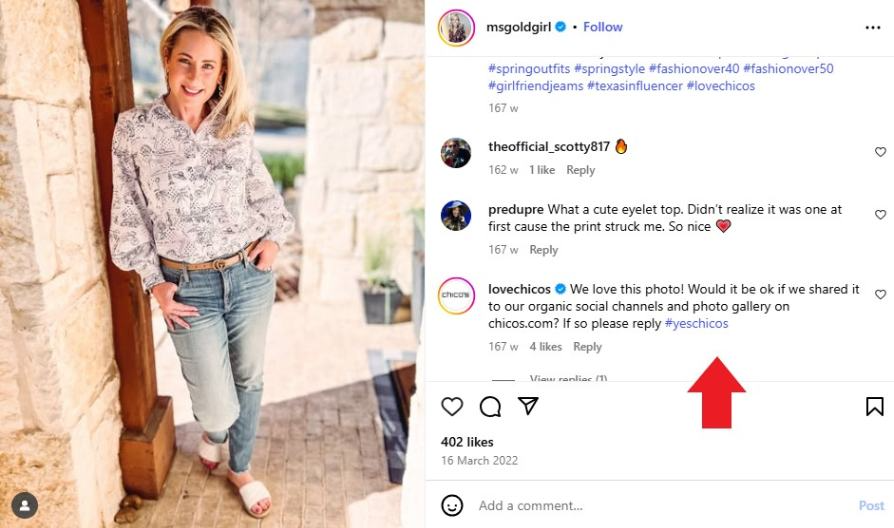
When an influencer shares content featuring your product, it’s your turn to act on it quickly. Like the post, leave a warm comment, and share it on your own story or profile.
For example, on Instagram, you might repost their Story to your Story with a “🙌 Thanks @influencer, so glad you love it!”
If it’s a permanent post, you can consider asking in the comments or DM if you can repost it on your page.
Engaging publicly not only pleases the influencer but also shows your followers that influencers are talking about you.
If the influencer content is particularly positive or detailed, you might want to incorporate it elsewhere, like your website.
Also, be sure to capture the content. Download the video or images. You should also keep track of the results of their posts for your campaign report.
Additionally, thank the influencer privately after they post with a simple DM: “Saw your post – thank you so much for the lovely shout-out! So happy you enjoyed [Product] 😊 Let’s stay in touch!”
Step 8: Track Results and Collect Data
We talked about collecting the data in the last step. Now, let’s dig deeper into it!
You need to list every piece of influencer content that went live. You should also track its engagement stats, any referral traffic or sales spikes, growth in followers, etc.
Then, compile this information to evaluate performance. While this step is often overlooked in the excitement of getting posts, it’s essential to understand the impact and to learn.
Remember, tracking is not only about quantity! It’s also about qualitative outcomes, like positive feedback or comments from both influencers and users.
Here, we’ll explain all you need to know about tracking your influencer gifting campaigns:
How to Measure the Success of Your Influencer Gifting Efforts
One of the hardest parts of influencer gifting? Knowing if it actually worked. Since there’s no clear spend vs. return formula, you’ve gotta track a few things to see the full picture. Here’s how to tell if your gifting paid off:
1. Track Content and Mentions
You can count every post, Story, Reel, or YouTube video that features your product — both direct (tagged or named) and indirect (product shown but not tagged).
This metric is key because it gives you a big-picture view of awareness and exposure. You just need to log each piece of content with engagement metrics: likes, comments, shares, views. Then, estimate total impressions across all influencer content.
Pro Tip: Don’t forget to save qualitative highlights — comments from users, reshares by bigger accounts, etc.
2. Use Unique Codes or Links to Track Sales
Another main metric is sales or traffic driven via influencer-specific discount codes, affiliate links, or UTM-tagged URLs. It actually shows which influencers drove actual revenue.
To track this, you should assign a unique code (like SARA15) or link to each influencer. After that, track conversions through Shopify, Google Analytics, or an influencer platform.
3. Monitor Website Traffic & Social Growth
This one is about measuring website visits during/post campaign, follower count increases, engagement spikes, and search volume for your brand name.
The metric captures the broader brand awareness impact, even when clicks and sales aren’t immediate. To do it, you can use Google Analytics, IG Insights, and social listening tools.
4. Evaluate Content Quality and Reuse Value
Quality is as important as quantity! So, track the number of quality images or videos created. You can also measure how many you reused (in ads, social media, websites).
In addition, check out Earned Media Value (EMV) – the estimated cost if you paid for that reach or content. Remember, great influencer content = long-term marketing fuel.
5. Compare Results to Campaign Goals
To keep you focused and help optimize future campaigns, we advise you to revisit your main goal (awareness, sales, UGC, etc.) and match metrics to that goal. Next, you should analyze gaps and wins.
6. Track Long-Term Impact
Some gifting effects unfold weeks or months later. That’s why you need to monitor some metrics over time, including:
- Continued mentions or tags from influencers,
- UGC reshares or evergreen YouTube views,
- Lasting follower growth and engagement,
- Brand recall in surveys or reviews (“I saw this from an influencer”).
7. Calculate ROI
To measure ROI in gifting campaigns, you should add up your costs (product, shipping, time/tools), and then compare them to the value you got (sales, content, followers).
For instance, if you spent $1,300 and gained $3,000 in value, that’s a strong return. Even if sales don’t cover costs, things like exposure and content can still make it worth it. This helps you see what worked best so you can improve next time. Here’s the simple formula:
- ROI = (Total Value Generated ÷ Total Cost).
Example: $3,000 value / $1,300 spent = 2.3x ROI
Step 9: Build Ongoing Relationships and Plan Next Steps
Finally, you need to decide on the next steps with the influencers and your gifting strategy. This step includes:
- Identifying your star influencers (successful ones) from this campaign,
- Reaching out to them about future collaboration ideas (Perhaps inviting them to be long-term brand ambassadors),
- Schedule your next gift to them,
- Engaging with them more on social or re-gifting in the future with a different approach.
If your campaign didn’t work, you can rotate through different groups of influencers, try different product focuses, or ramp up the volume once you have a formula.
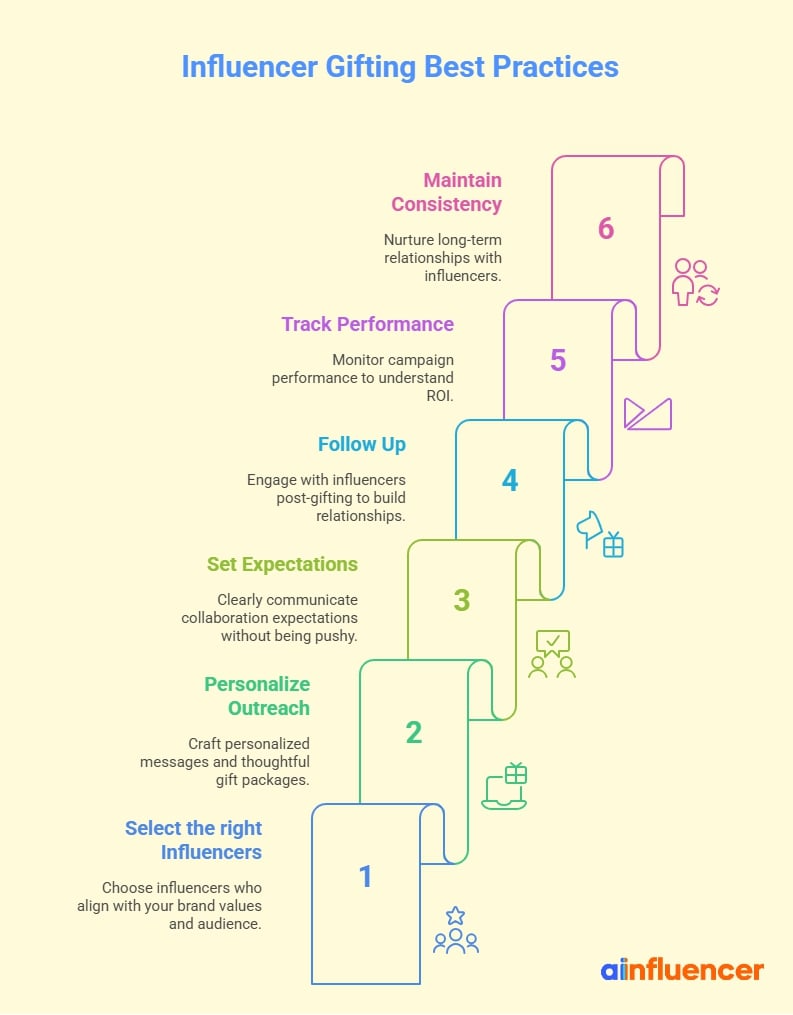
Influencer Gifting: 6 Best Practices
Now that you’ve learned all about influencer gifting, let’s find some pro tips to improve your campaigns:
1. Be Selective When Choosing Influencers
Now, it’s crystal clear that the follower count is not everything! Instead, you need to pick influencers who align with your brand values, aesthetics, and target audience. Micro-influencers with loyal followers often perform better than big names.
2. Personalize Your Outreach and Gift Package
Influencers don’t like generic DMs! So, avoid them! The miracle happens when you send a personalized message that shows you’ve done your homework on them.
Also, make the gift package thoughtful — include a handwritten note or extras that make it memorable.
3. Set Clear (But Friendly) Expectations
This is very important! You have to make sure the influencer knows what the collaboration involves (without being pushy, for sure)!
It’s best to politely mention what kind of content you’re hoping for, and when. However, always leave room for creative freedom.
4. Follow Up and Stay Engaged
We’ve talked a lot about following up in the article. Let’s do it one more time! After sending the gift, you should follow up with a friendly message to confirm delivery and show appreciation.
If they post about it, don’t forget to comment, share, and build a relationship — not just a one-time interaction.
5. Track Performance and Engagement
As we discussed earlier, tracking matters! You can measure your efforts by using tracking links, discount codes, or influencer marketing tools to monitor who’s posting and how it’s performing. This helps you understand ROI and tweak future campaigns accordingly.
6. Be Consistent and Long-Term Focused
What’s more, gifting isn’t a one-and-done strategy. You can keep it going! Just send products regularly, test different influencer types, and nurture genuine brand ambassadors over time.
How to Run and Scale Your Influencer Gifting Campaigns with Ainfluencer
If you’re planning to run an influencer gifting campaign, managing everything manually is challenging. You probably spend a lot of time on finding creators or handling outreach.
That’s where Ainfluencer comes in.
Unlike most platforms that pull influencer data from third-party sources, Ainfluencer has a 100% opt-in influencer database.
This means every creator on the platform has joined willingly and is open to collaborations. That makes it perfect for gifting campaigns where you want genuine interest and higher response rates.
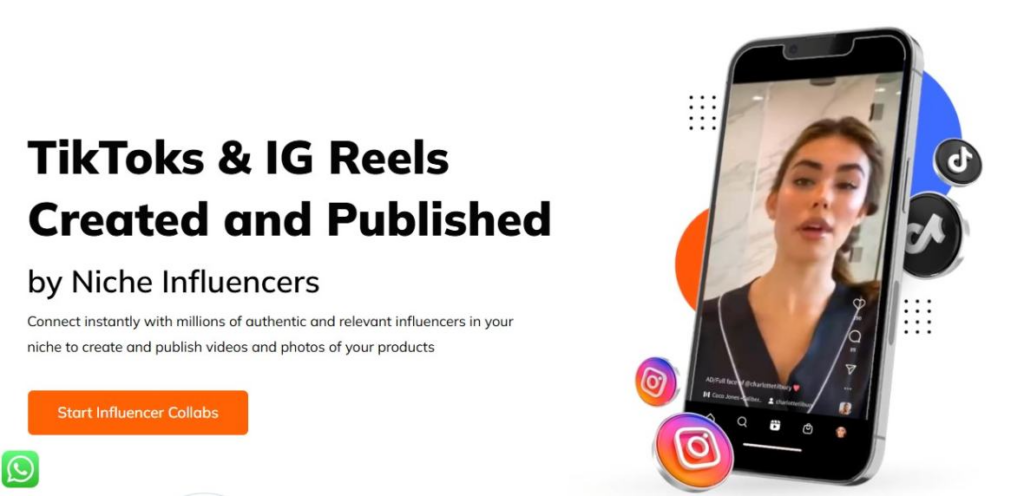
Outreach ability is another great feature of Ainfluencer. You don’t need to manually send emails or DMs. This tool handles the outreach for you — free of charge!
And because these influencers are already active on the platform, the response rate is significantly higher compared to cold outreach methods.
Even if you’re on a tight budget, Ainfluencer makes gifting campaigns accessible. Everything is free! You don’t pay extra to access influencer lists or manage your content library.
Moreover, payments (if needed) also happen inside the platform. This means saving you time and effort!
Another benefit of using Ainfluencer for gifting campaigns lies in protecting products. Instead of just gifting an item with no backup plan, this feature lets you insure the product before it gets shipped out, so you’re covered if something goes wrong.
Real-time analytics, verified performance data, and post examples are other benefits Ainfliencer offers. These enable you to make informed decisions about who to gift — no more guessing if a creator is the right fit.
And as your campaign grows, Ainfluencer supports team collaboration, issue resolution, and even Shopify integration (with more e-commerce platforms on the way).
Want to run smarter, more efficient influencer gifting campaigns without the typical stress?
Bottom Line: Is Influencer Gifting Worth It
The quick answer is: absolutely! If you do it right, influencer gifting can be a smart way to get your brand in front of the right people cost-effectively! Influencers get free products they actually want, and you get real, authentic content in return.
Data suggests that over 68% of brands have used influencer gifting as part of their strategy in 2025. Many even report higher engagement rates on gifted posts compared to paid ones. Why? Because the content feels more genuine — and audiences love that.
So, when done with the right creators and the right approach, gifting can be a win for everyone: the brand, the influencer, and the audience!
FAQs
Here, you can find a few questions about influencer product gifting:
1. Do Influencers Have to Disclose Gifted Products?
Yes. In the U.S. and many other countries, influencers must follow disclosure rules. If they get free products from a brand, they need to say so.
It doesn’t matter if they’re not paid in cash — the gift still counts as a “material connection.” Being honest builds trust and keeps everyone out of trouble.
2. Which Is Better: Influencer Gifting or Paid Collaborations?
It depends on your goals and budget. Gifting is great if you’re on a budget and want organic content, especially from micro-influencers. But there’s no guarantee they’ll post.
On the other hand, paying gives you control over what gets shared and when. It’s better for big campaigns or working with top influencers. It costs more but offers more reliability.
3. What Are Different Types of Influencer Gifting?
There are several types of influencer gifting approaches that brands use, including:
- One-off product gifting (individual seeding),
- Themed gifting campaigns, like summer gifting programs,
- Influencer gifting suites/events (festivals, award shows, etc),
- PR boxes/kits (curated influencer packages),
- Affiliate/collab gifting programs,
- Contests & giveaways.